How to Potty Train a Cavapoo Puppy
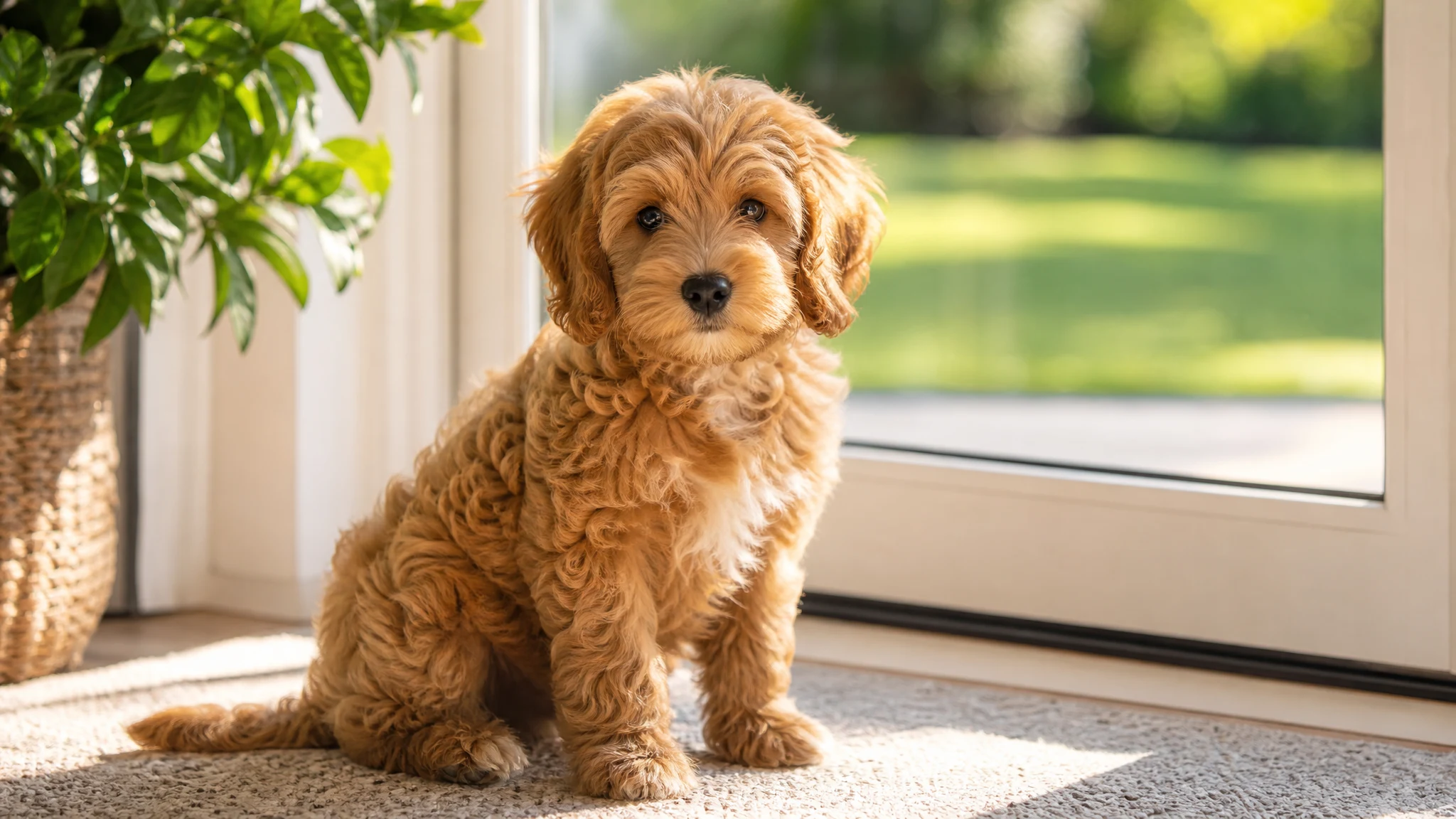
General training information. Every dog is an individual; for health or behavior concerns, see your veterinarian.
Learning how to potty train a Cavapoo is mostly about routine. This crossbreed of a Cavalier King Charles Spaniel and a Poodle is a small, people-loving dog, and most of the work is setting up a day that makes the right choice easy for your puppy.
Petful describes the Cavapoo as highly trainable. The Poodle side brings intelligence, and the Cavalier side brings an eagerness to please. Healthy Paws Pet Insurance adds that the cross responds well to repetition and routine, and that patience helps. That is a good starting point for house training a Cavapoo. It is not a promise, because individual dogs vary.
What You Need Before You Start
- A crate sized for a small dog. Adult Cavapoos are listed at 9 to 14 inches tall and about 9 to 25 pounds, depending on whether the Poodle parent was a Toy or a Miniature (Healthy Paws Pet Insurance). Ask the breeder or your vet what adult size to expect, and pick a crate with room to stand, turn and lie down.
- Small, soft treats. Petful notes that treats can lead to weight gain in this breed, so keep them tiny and count them as part of the day's food.
- A leash and a collar or harness. A flat collar or a well-fitted harness is plenty.
- An enzyme-based pet stain cleaner. Check the label of whichever one you choose. It helps remove the smell that can draw a puppy back to the same spot.
- A chosen potty spot. Pick one patch of your yard or a nearby area and use it every time.
- A notebook or phone notes. Jot down meals, naps, and potty trips. Patterns show up fast.
- A cue word. Something short like "go potty," said calmly.
Step 1: Set the Daily Schedule
Puppies do best when the day is predictable. Feed meals at set times and pick up the food bowl after a short window. Regular meals tend to make potty times easier to predict.
Take your puppy to the potty spot at these times:
- First thing in the morning, before anything else
- Right after every nap
- After meals and after drinking
- After a play session or any burst of excitement
- Before bed, and before you leave the house
Young puppies need frequent trips. Your vet can tell you how long your puppy can reasonably wait at their current age, so ask at the first checkup rather than guessing. As your puppy grows, you can stretch the gaps between trips.
Step 2: Use the Same Spot and the Same Routine
Carry or lead your puppy straight to the potty spot. Stand still, stay boring, and say your cue once. Don't chat or play yet. Play is the reward that comes after.
Give your puppy a few minutes. If nothing happens, go back inside and keep them close, then try again soon. A puppy who skips the potty outside and then finds a rug indoors has learned the wrong lesson, so supervise closely after a missed trip.
Step 3: Reward Right Away
The moment your puppy finishes going outside, say a happy "yes!" and hand over a treat. Timing matters. The treat should arrive while your puppy is still at the spot, not after you walk back to the door.
Then add a bit of praise and a short play or walk. This rewards the right behavior and teaches that going outside pays off. Reward-based training is the approach recommended by the American Veterinary Society of Animal Behavior (AVSAB), and it suits a breed that Petful says responds to positive reinforcement.
Step 4: Use the Crate as a Rest and Settle Spot
Many puppies avoid soiling the area where they sleep, which is why a crate can help. It works best when it feels like a cozy den and never like a punishment.
- Toss a treat into the open crate and let your puppy walk in and out.
- Feed some meals near or inside the crate so it becomes a good place.
- Close the door for a minute or two while you stay close, then open it before any fussing starts.
- Build up the time slowly.
- Take your puppy straight out to the potty spot when the crate door opens.
Don't leave a puppy in the crate longer than they can comfortably hold it. When you can't watch your puppy, use the crate or a small gated area. When you can watch, keep your puppy within sight. Some owners use a leash indoors so the puppy stays close.
Step 5: Watch for Signals
Puppies usually give hints before they go. Common ones include sniffing the floor, circling, suddenly stopping play, or heading for a corner. When you see one, calmly pick up your puppy or clip on the leash and head to the potty spot.
Over time you will learn your puppy's own signs. Your notes from Step 1 will help. If trips keep happening at the same times, build the schedule around them.
Step 6: Handle Accidents Without Punishment
Accidents will happen. They are part of learning, not a sign of a bad dog.
- If you catch your puppy in the act, calmly say "oops" and scoop them up to finish outside. Reward if they go there.
- If you find a mess later, clean it up without a fuss. Your puppy can't connect a scolding to something that happened minutes ago.
- Clean the spot with an enzyme-based cleaner so the odor doesn't invite a repeat.
- Ask yourself what went wrong. Was the gap between trips too long? Was your puppy unsupervised? Adjust the plan, not the dog.
Never rub a puppy's nose in a mess, yell, or use physical punishment. These methods go against reward-based training, and they can teach a puppy to hide when they need to go. That makes house training harder.
Step 7: Gradually Add Freedom
After a stretch of mostly successful days, let your puppy explore one more room, with supervision. If accidents return, go back a step. Freedom is something your puppy earns by showing the habit is solid.
What Is Different About a Cavapoo
Every dog is an individual, but the sources describe a few breed points worth planning for.
Small Size
Because Cavapoos are small, a puppy's accidents can be small and easy to miss. Check floors often and clean thoroughly. Small dogs can also be tempted to use a hidden corner, so supervision matters.
Smart and Eager to Please
Petful rates trainability as high, and Healthy Paws says the breed responds to repetition and routine. In practice, that means short, upbeat sessions and a consistent routine will likely serve you well. Be consistent: if one family member lets the puppy go in the house, the learning slows for everyone.
Separation Anxiety
Petful lists separation anxiety as a known challenge for the breed, with barking, chewing, and house-soiling when left alone. If your puppy has accidents only when you leave, anxiety may be part of the picture. Build up alone time in small steps, make departures calm, and talk to your veterinarian or a qualified, reward-based trainer if it persists. A vet should check any sudden change in house training, because health problems can play a role.
Exercise and Boredom
Greencross Vets suggests about 30 to 60 minutes of daily exercise for a Cavoodle, which is the Australian name for this cross. Petful notes that understimulated dogs may chew. Puppies are still growing, though. Petful reports that adult size comes around 9 to 12 months and advises short, frequent play and rest, with no forced running or long hikes on developing joints. Keep potty trips and play sessions short and fun.
Coat Care Around the Back End
Petful says the coat mats easily and needs frequent brushing. A trim and regular grooming around the rear and belly can make cleanup easier. Ask a groomer or your vet for guidance suited to your puppy's coat.
How Long Does It Usually Take?
There is no single timeline, and the sources we rely on do not give one. Some puppies catch on quickly, while others take longer, especially if they're young, new to your home, or dealing with changes in routine. Many owners find that steady habits lead to fewer accidents over time, but results vary from dog to dog. A vet or qualified trainer can help if progress stalls.
Common Mistakes to Avoid
- Giving too much freedom too soon. A puppy loose in the house is a puppy who will have an accident.
- Skipping trips after naps and meals. These are the most predictable times.
- Punishing accidents. It can make a puppy anxious and secretive.
- Playing before the puppy has gone. The potty trip should be calm and focused.
- Changing the routine every day. Consistency is what the dog learns from.
- Using the crate as punishment. It should stay a safe, restful place.
- Overusing treats. Use tiny pieces and adjust meal portions.
- Ignoring health. Frequent accidents, straining, or sudden changes deserve a vet visit.
What Results to Expect
With a steady schedule, crate rest, plenty of supervision, and immediate rewards, many Cavapoo owners find that their puppy gradually has fewer accidents and starts to ask to go out. The breed's reputation for being trainable may help, but it does not replace consistency. Expect some setbacks, especially during growth spurts, moves, or changes in your schedule. When that happens, return to the basics.
If your puppy is still having regular accidents after you have followed a routine for a while, talk to your veterinarian. They can rule out health causes and suggest next steps.
Quick Daily Checklist
- Potty trip first thing, then after every nap, meal, and play session.
- Same spot, same cue, calm voice.
- Treat and praise right at the spot.
- Supervise, or use the crate or a gated area.
- Clean accidents quietly with an enzyme cleaner.
- Note what worked and adjust tomorrow.